
Let’s be honest: nobody wants to be the person with the “mystery lawn” that patchwork quilt of dandelions, crabgrass, and patches of dirt that looks more like a topographical map of Mars than a suburban sanctuary. We all want that lush, deep-green carpet that feels like velvet underfoot and smells like victory on a Saturday morning.
But here’s the secret the “grass-whisperers” won’t tell you: a great lawn isn’t born; it’s made. And it isn’t made by sheer luck or by yelling at your sprinklers. It’s made through a consistent, rhythmic approach to maintenance. To help you navigate the changing seasons without losing your mind (or your turf), we’ve put together this comprehensive seasonal lawn care checklist.
Whether you’re a weekend warrior or a gardening novice, this guide will walk you through exactly what your grass needs and when it needs it.
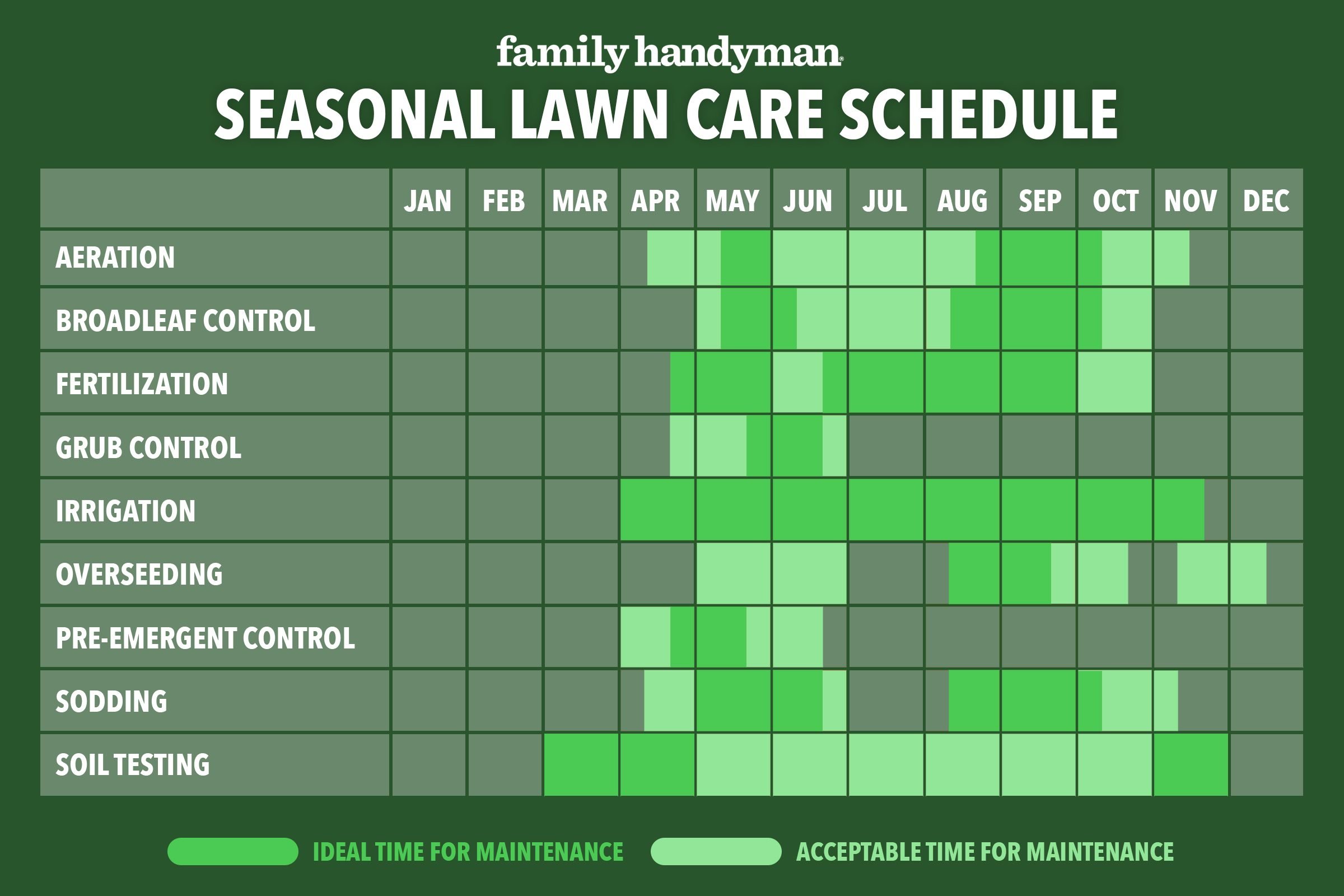
Spring is the Monday morning of the lawn care world. Everything is waking up, stretching, and if you aren’t careful getting ready to grow out of control. Your primary goal during the spring phase of your seasonal lawn care checklist is preparation and prevention.
Before you even think about the mower, grab a sturdy rake. You’re looking for “snow mold” or matted patches of dead grass left over from winter. Raking increases air circulation and lets the soil breathe. It’s also the perfect time to pick up those stray branches and the neighbor’s wind-blown recycling.
You wouldn’t run a marathon in flip-flops, so don’t ask your mower to tackle the spring surge with dull blades. Dull blades tear the grass rather than cutting it, leaving jagged edges that turn brown and invite disease. Get those blades sharpened and change the oil. Your lawn will thank you with a cleaner, greener look.
If you wait until you see the dandelions to fight them, you’ve already lost the first battle. Spring is the time for pre-emergent herbicides. These create a chemical barrier that stops weed seeds from germinating. In our region, timing is everything you want to apply this when the soil temperature hits about 55°F consistently.
Summer is when the heat turns up and the “survival” portion of your seasonal lawn care checklist begins. Your lawn is under stress from high temperatures, evaporation, and the neighborhood kids’ inflatable water slide.
Most people water their lawns like they’re misting a delicate fern. Your grass needs deep roots to survive the heat. Instead of watering for ten minutes every day, water deeply once or twice a week. Aim for about one inch of water per week. This encourages roots to dive deep into the soil to find moisture, making them much more drought-resistant.
It is tempting to “scalp” the lawn so you don’t have to mow as often. Resist the urge! Keeping your grass taller (around 3 to 4 inches) provides shade for the soil, reducing evaporation and preventing weed seeds from getting the sunlight they need to sprout. Also, leave those clippings on the lawn. They act as a natural, slow-release fertilizer.
Summer is prime time for grubs and sod webworms. If you notice brown patches that don’t improve with watering, or if birds are suddenly very interested in pecking at your turf, you might have guests. Identifying these early can save you from a total lawn renovation come autumn.

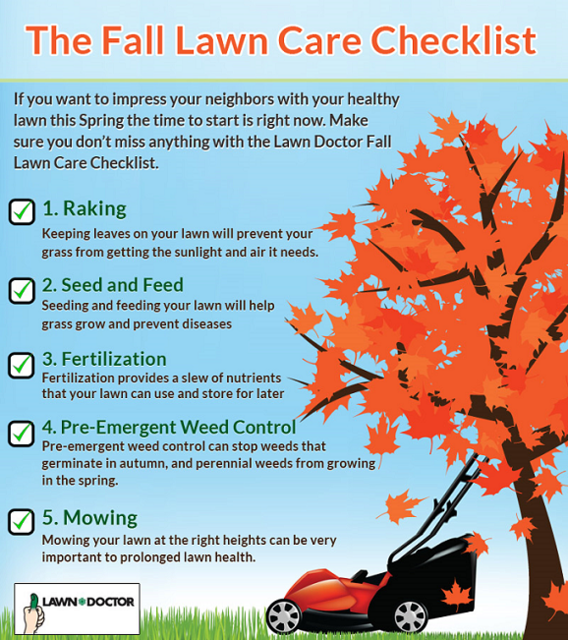
Many homeowners check out mentally once the football season starts, but fall is actually the most important season for your lawn. This is when the “real” work happens on your seasonal lawn care checklist to ensure a green return in the spring.
Think of aeration as giving your lawn a deep-tissue massage. By pulling small plugs of soil out of the ground, you break up compaction and allow oxygen, water, and nutrients to reach the root zone. Follow this up with overseeding to fill in thin spots and introduce newer, more resilient grass varieties to your yard.
In the fall, grass shifts its energy from growing blades to growing roots. A high-nitrogen “winterizer” fertilizer helps the lawn store nutrients for the long sleep ahead. This is the “secret sauce” that leads to that early green-up everyone admires in April.
A thick layer of fallen leaves is like a wet blanket for your grass. It blocks sunlight and traps moisture, which leads to fungal issues. You don’t necessarily have to rake them all mulching them with your mower is a great way to add organic matter back into the soil, provided you can still see the grass blades through the mulch.
While the grass is dormant, your seasonal lawn care checklist is short, but vital. Winter is about protection.
Pro Tip: According to the National Association of Landscape Professionals, a well-maintained lawn can actually increase your home’s property value by up to 15%. It’s not just grass; it’s an investment.
You might be tempted to head out on one random Saturday in July and try to do everything at once. Don’t. Lawn care is a marathon, not a sprint. The reason a seasonal lawn care checklist works is that it aligns with the natural life cycle of the plant.
When you fertilize at the right time, you’re working with nature rather than trying to force it. When you mow at the right height, you’re using the plant’s own biology to fight off weeds. It’s about being a partner to your landscape.
We get it. Life is busy. Between work, kids, and trying to find time for a hobby that doesn’t involve a rake, your lawn can easily slip down the priority list. But you don’t have to settle for a “mystery lawn.”
At TLC Lawn Care, we live and breathe this stuff. We know the local soil, we know the local pests, and we have the professional-grade equipment to get the job done right the first time. Why spend your weekends guessing which bag of fertilizer to buy when you could be relaxing on a lawn that looks like a professional sports field?