
Maintaining a pristine, vibrant green landscape in the Lone Star State is an ongoing battle against nature. Homeowners invest significant time and financial resources into watering, mowing, and fertilizing, only to find their hard work undermined by aggressive botanical intruders. These specialized survivalists are engineered to thrive in punishing heat, survive extended periods of drought, and rapidly choke out desirable turfgrasses like Bermuda, St. Augustine, and Zoysia.
When left unchecked, a minor outbreak can quickly transform a manicured front yard into an unruly field of unwanted vegetation. This isn’t just an aesthetic issue; it is a resource competition happening beneath the surface. Every drop of water, ounce of fertilizer, and square inch of sunlight claimed by an unwanted plant is directly stolen from the root system of your lawn. To protect your property value and restore the natural balance of your soil, you must understand exactly what you are fighting and how to eliminate it permanently.
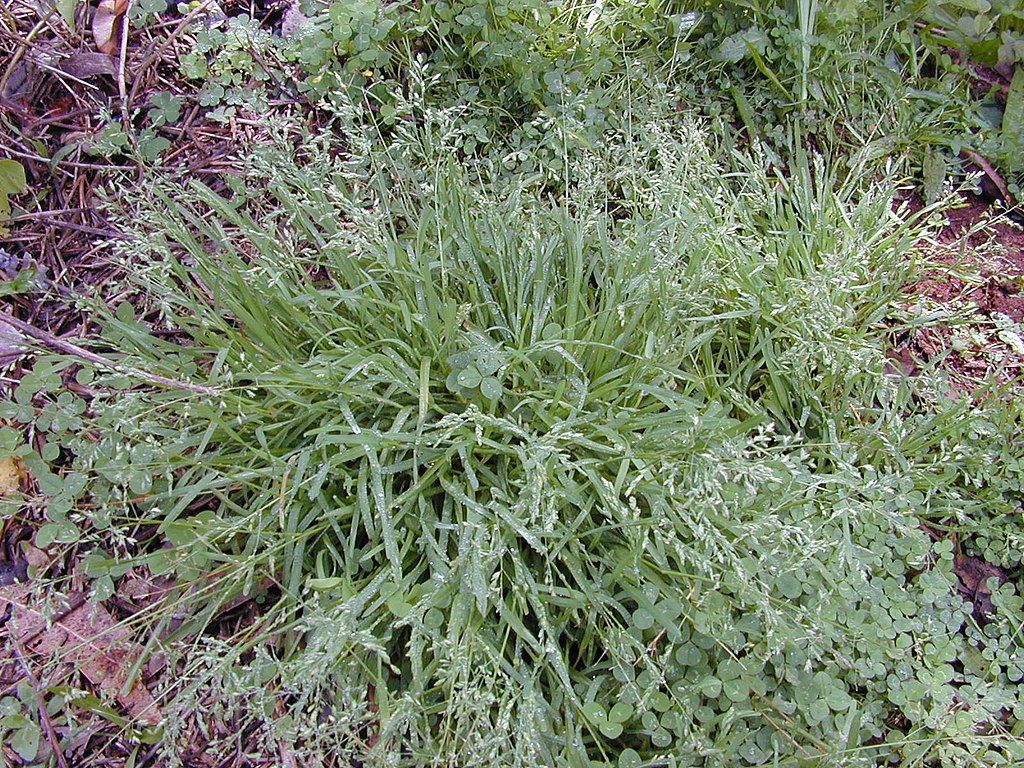
Texas turf suffers from a wide variety of aggressive flora, but a few specific varieties cause the vast majority of structural damage. Understanding their specific growth habits is the first step toward effective mitigation.
Often mistaken for a standard broadleaf grass, nutsedge is actually a highly specialized sedge that thrives in poorly drained, compacted soils. Pulling it by hand frequently triggers a defense mechanism where underground root modules, known as “nutlets,” detach and sprout into multiple new plants. It grows at twice the speed of standard turf, creating an uneven, yellowing canopy within days of mowing.
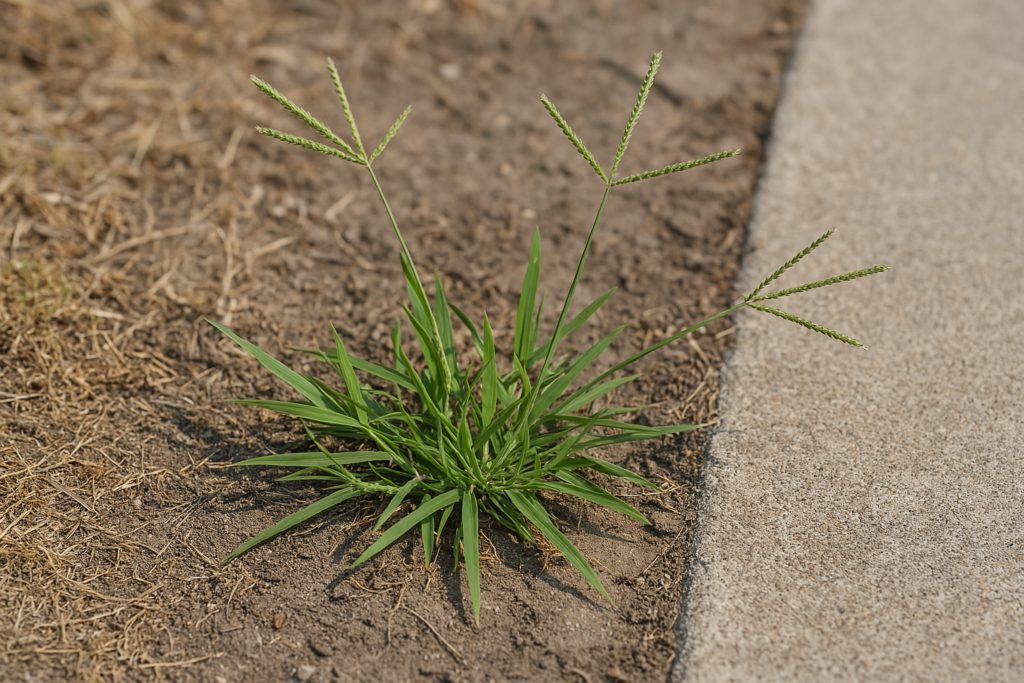
This annual invader waits patiently for the soil temperatures to rise before launching a rapid expansion campaign. A single plant can produce up to 150,000 seeds, which settle into thin or scalped areas of the lawn. As it spreads horizontally in a thick, low-profile mat, it physical smothers neighboring grass blades, cutting off their access to light.
With deep, resilient taproots that can drill down several inches into hard-packed clay, broadleaf invaders pull moisture from deep reserves that standard grass roots cannot reach. Their airborne seeds allow them to colonize entire neighborhoods in a single windy afternoon, making proactive pre-emergent barriers absolutely vital.
Many property owners address lawn issues reactively, heading to the local home improvement store to buy generic retail weed killers the moment a yellow flower or strange patch of coarse grass appears. Unfortunately, this uncoordinated approach rarely delivers long-term victory and can actively damage your underlying turf.
Different botanical families require completely different chemical approaches. Applying a standard broadleaf herbicide to a sedge infestation will do absolutely nothing to the weed while needlessly stressing your healthy grass. Furthermore, continuous applications of non-targeted chemicals alter the pH balance of the soil, stripping away beneficial microbial life and creating the exact high-stress environment where opportunistic invaders thrive.
True eradication requires a holistic, dual-phase management system. You must combine precise, targeted post-emergent spot treatments with carefully timed seasonal pre-emergent applications. Pre-emergent barriers act as an invisible shield, halting seed germination in early spring and autumn before the plants ever have a chance to establish a root system.
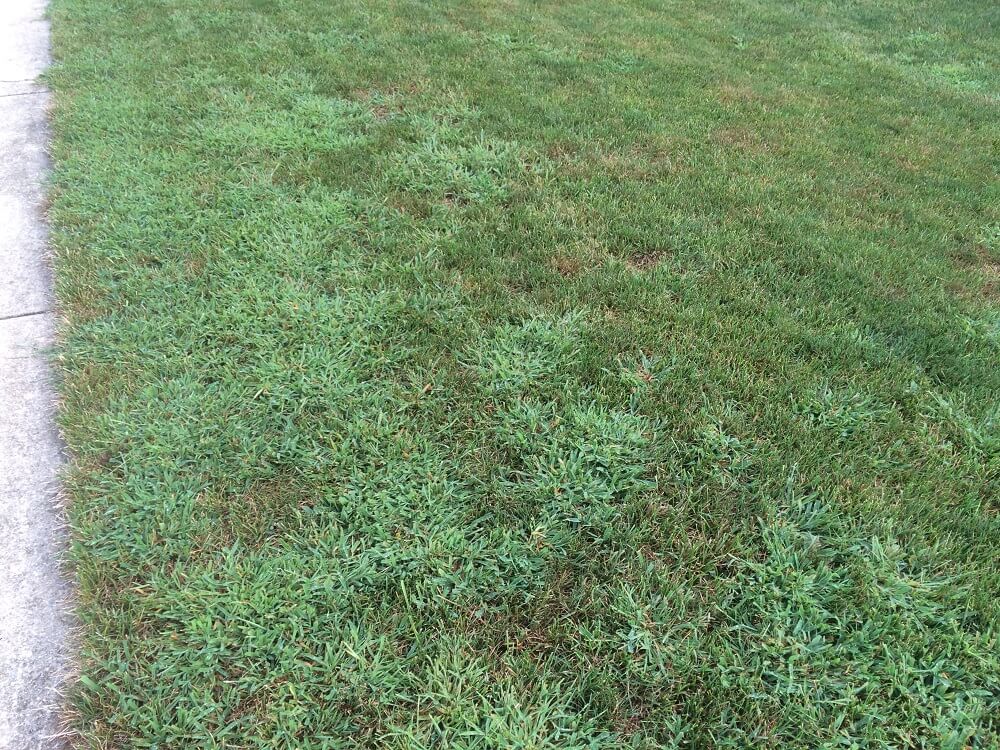
Invasive weeds are natural indicators of underlying soil and cultural problems. They rarely gain a foothold in a perfectly healthy, dense lawn. When an infestation breaks out, it is often a sign that your lawn’s natural defenses have been compromised by one of several common issues:
| Target Threat Type | Primary Growth Window | Root Structure | Primary Eradication Vulnerability |
| Nutsedge | Late Spring through Summer | Underground Nutlets | Specialized Sedge-Specific Post-Emergents |
| Crabgrass | Early Spring Germination | Fibrous / Spreading | Early Spring Pre-Emergent Barriers |
| Broadleaf Threats | Year-Round / Cool & Warm | Deep Taproot | Systemic Herbicide Spot-Treatments |
Achieving a flawless, resilient lawn requires deep biological expertise. It also demands specialized commercial equipment and consistent seasonal timing. Unfortunately, these factors are incredibly difficult to manage on a casual weekend schedule. Every geographic region in the state features unique microclimates and soil profiles. These unique conditions dictate exactly when and how treatments must be applied to maximize safety and effectiveness.
Professional turf management eliminates the guesswork, chemical waste, and frustration of trial-and-error DIY methods. By implementing a proactive, science-driven maintenance schedule, you can stop reacting to sudden outbreaks. Instead, you can start preventing them entirely and enjoy a beautiful yard year-round.
Do not let aggressive botanical invaders dictate the health and appearance of your home’s outdoor spaces. The dedicated local team at TLC Lawn Care specializes in comprehensive, custom-tailored lawn fertilization and weed control programs designed specifically for tough Texas environments. We analyze your specific soil conditions, identify structural vulnerabilities, and implement advanced pre-emergent and post-emergent protocols to eradicate invasive weeds while feeding and fortifying your desirable grass.
Enjoy a lush, healthy, and stress-free lawn all year long. Contact TLC Lawn Care today to schedule your expert property evaluation and take the first decisive step toward permanent lawn health.