
Managing commercial landscapes requires a precise strategy, especially when dealing with the extreme weather conditions of the Lone Star State. Large-scale corporate parks, manufacturing centers, and logistics hubs depend heavily on pristine outdoor spaces to maintain their brand image, protect structural assets, and ensure site safety. Implementing a structured approach to industrial property turf management in Texas ensures that expansive green spaces remain resilient against scorching heat, unexpected droughts, and heavy foot and equipment traffic.
By shifting from reactive mowing to a proactive, agronomic maintenance plan, facility managers can significantly cut long-term repair costs while elevating their property’s curb appeal. Let’s look closely at how professional turf care solves the unique environmental challenges faced by Texas commercial sites.
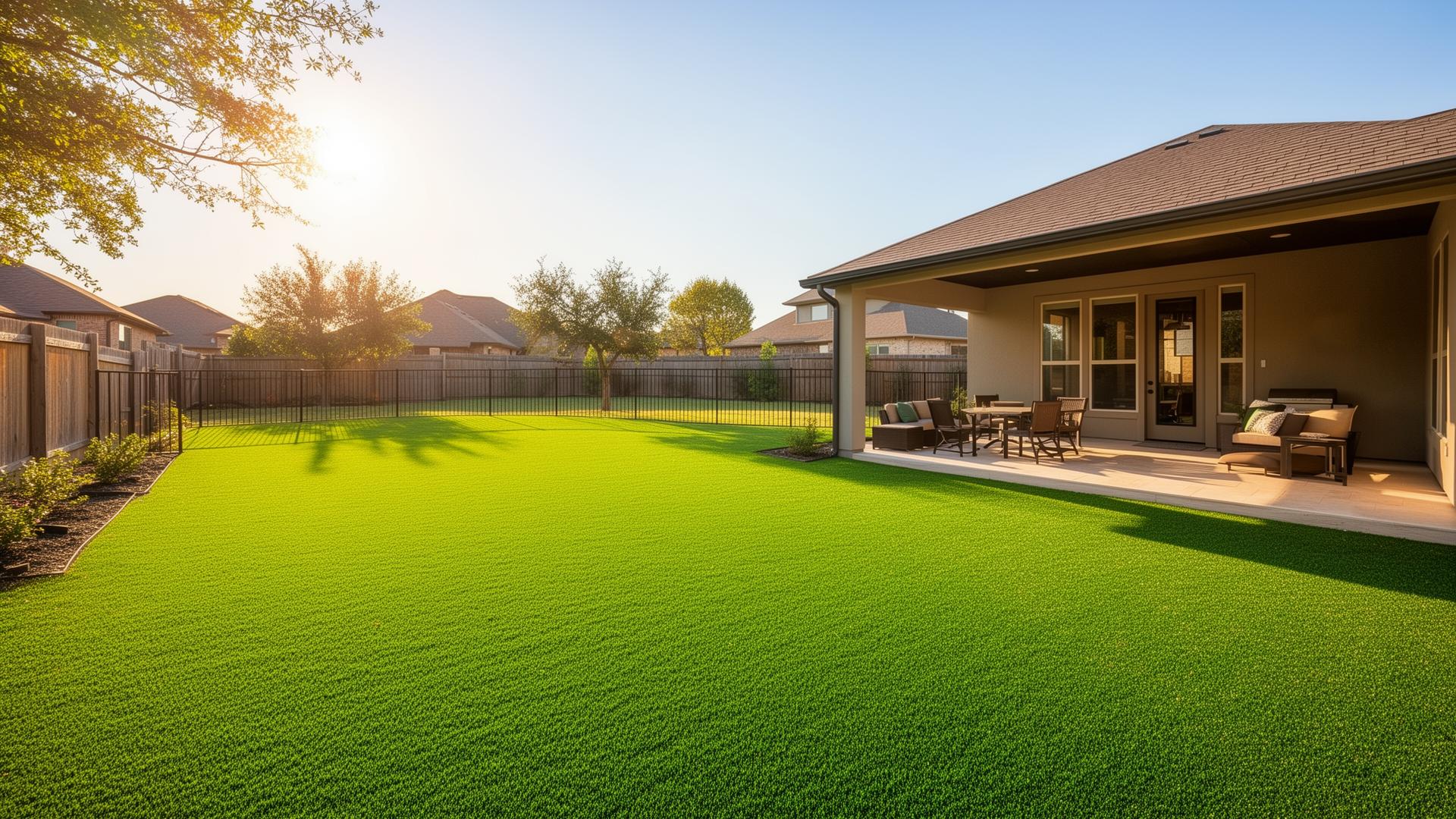
Industrial complexes have vastly different operational needs compared to residential yards or retail storefronts. These sites feature expansive acreage and complex drainage configurations. They also feature zones heavily exposed to high-heat radiant surfaces. These include asphalt parking lots, concrete loading docks, and metal warehouses. Standard lawn care services simply lack the specialized machinery and agronomic expertise required to sustain turf health under these demanding conditions.
A comprehensive program for industrial property turf management in Texas focuses on soil health, target irrigation, and deep-root resilience. Large commercial landscapes often suffer from severe soil compaction. This damage is caused by utility vehicles, heavy maintenance equipment, and structural runoff. Without specialized aeration and custom fertilization schedules, turfgrass thinned out rapidly. This thinned grass leaves the ground vulnerable to aggressive weed infestations. It also risks severe soil erosion during intense Texas downpours.
Professional management utilizes commercial-grade equipment to cover massive acreage efficiently. Technicians use wide-area rotaries, heavy-duty aerators, and liquid injection systems to apply precise treatments. This level of care optimizes water retention. It maintains a deep green appearance and builds a robust root system capable of surviving extreme climate shifts.
Texas is famous for its diverse and unpredictable climate zones, ranging from the humid Gulf Coast to the arid western plains. Across all regions, hot summers place immense thermal stress on turfgrass. Without a carefully engineered management strategy, cool-season grasses quickly wither, while common warm-season choices like Bermuda or Zoysia can experience severe stress without proper micronutrient support.
Furthermore, changing local water restrictions require high-efficiency irrigation management. Modern industrial property turf management in Texas leverages smart weather-based irrigation controllers and flow sensors to eliminate water waste. Regulating water delivery based on real-time evaporation rates saves thousands of dollars annually while ensuring compliance with city and municipal ordinances.
Sustaining a healthy, vibrant commercial lawn relies on a structured, science-backed sequence that balances soil chemistry, mechanical cultivation, and targeted weed suppression.
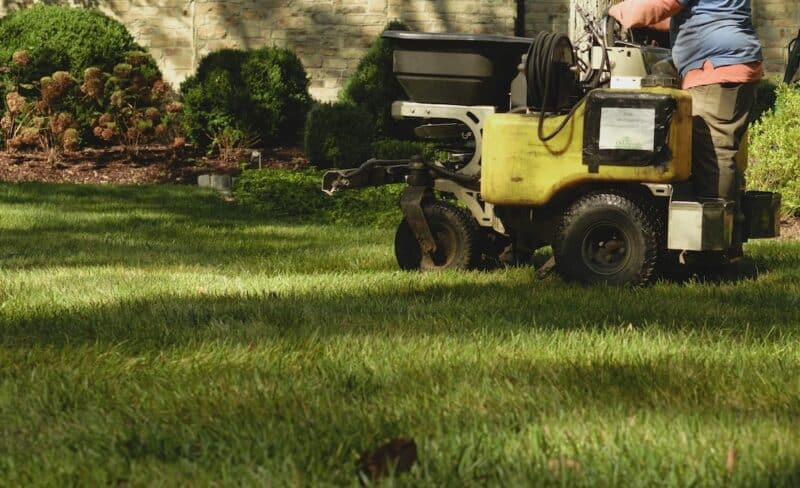
Neglected commercial turf does more than just look bad; it can lead to costly structural and safety hazards. Sparse turf cover allows heavy rains to wash away topsoil, creating dangerous sinkholes near concrete walkways, parking lots, and building foundations. Maintaining thick, dense turf through consistent industrial property turf management in Texas creates a natural bio-filter that stabilizes the soil, controls storm runoff, and helps keep the entire facility safer.
To help you optimize your landscape budget, the following chart outlines the core structural phases of professional turf management along with ideal execution windows for Texas facilities.
| Management Factor | Standard Commercial Care | High-Performance Turf Management | Optimal Texas Schedule |
| Soil Compaction Relief | Superficial mowing only | Deep-tine mechanical aeration | Early Spring / Late Summer |
| Weed Control Strategy | Reactive post-emergent spraying | Proactive pre-emergent soil barriers | February & September |
| Nutrient Application | Generic seasonal fertilizer | Custom soil-tested agronomic feeding | 4 to 6 times per year |
| Irrigation Optimization | Standard time-based cycles | Smart weather-based flow regulation | Monitored weekly in Summer |

The exterior of an industrial facility serves as its physical handshake with clients, logistics partners, and future investors. A poorly maintained, weed-choked lawn suggests a lack of attention to detail that can negatively impact a company’s brand reputation. Conversely, crisp, deep-green turf and clean edges signal professional excellence and operational pride.
By investing in deliberate industrial property turf management in Texas, corporations protect their long-term infrastructure, create a welcoming atmosphere for employees, and boost the overall market value of their real estate. Working with commercial landscape experts ensures your facility remains green, safe, and highly efficient year-round.