
In the heart of the Guadalupe Valley, maintaining a pristine lawn is less of a hobby and more of a tactical battle against the elements. If you’ve lived here through a single July, you know that Cibolo lawn care isn’t just about pushing a mower once a week; it’s about understanding the delicate dance between hydration, soil composition, and the relentless Texas sun.
For homeowners in Cibolo, the yard is the first impression. Whether you’re hosting a weekend BBQ or just pulling into the driveway after a long commute, a vibrant, green lawn provides a sense of peace. However, achieving that “golf course” look in our local climate requires more than just luck it requires a localized strategy.

Most residents don’t realize that the foundation of great Cibolo lawn care starts several inches underground. Our region is notorious for heavy clay soils that act like a sponge when wet and a brick when dry. This “shrink-swell” cycle is brutal on root systems.
When the clay dries out, it pulls away from the roots, leaving them exposed to high temperatures. Conversely, when we get those sudden Hill Country downpours, the clay traps water, potentially rotting the roots of your St. Augustine or Bermuda grass. To combat this, aeration and organic top-dressing are non-negotiable. By introducing organic matter, you break up the clay density, allowing your lawn to breathe and drink more efficiently.
| Factor | Requirement for Cibolo | Impact on Lawn |
| Mowing Height | 3.5 – 4 Inches (St. Augustine) | Shades soil, reduces evaporation |
| Watering Schedule | 1 Inch per week (Early AM) | Deep root growth, fungus prevention |
| Fertilization | Slow-release Nitrogen | Consistent green without “burning” |
| Soil Care | Annual Core Aeration | Relieves compaction in heavy clay |
Effective Cibolo lawn care follows a rhythm. You cannot treat your lawn the same way in March as you do in August.
As the last frost clears (usually by late February or early March), your lawn begins its “green up” phase. This is the time for pre-emergent weed control. If you wait until you see the dandelions, you’ve already lost the first battle. Applying a barrier now prevents weed seeds from germinating as the soil warms up.
From June through September, the goal shifts from “growth” to “survival.” This is where many homeowners make the mistake of scalping their lawn. In Cibolo, you want to keep your grass taller during the summer. Taller blades shade the soil, keeping the root zone significantly cooler and reducing the amount of water lost to evaporation.
October is the “Second Spring” in South Texas. The temperatures drop, and the grass gets a second wind. This is the prime time for fertilization and addressing any brown patches that developed during the summer heat. It’s also the window for “overseeding” if you have a variety that allows for it, ensuring a lush carpet before the winter dormancy sets in.
One of the most frequent errors we see in local Cibolo lawn care is “improper irrigation timing.” Watering in the evening might seem logical to avoid the sun, but it leaves your grass blades wet overnight. In the humid Texas nights, this is a literal breeding ground for Large Patch (formerly Brown Patch) and other fungal diseases.
Always aim to water between 4:00 AM and 8:00 AM. This ensures the water reaches the roots before the sun gets high, but allows the blades to dry quickly once the day begins.
Furthermore, ensure your mower blades are sharp. Dull blades tear the grass rather than cutting it, leaving “white tips” that make the entire lawn look hazy and brown. A clean cut heals faster and keeps the plant’s immune system strong against pests like Chinch bugs, which are common in our area.
While we all love a uniform green carpet, incorporating native plants around the perimeter of your lawn can actually improve your turf’s health. Native Texas plants, such as those listed by the Lady Bird Johnson Wildflower Center, attract beneficial pollinators and predatory insects that eat the pests trying to destroy your grass. Integrating a bit of the local ecosystem makes your lawn more resilient and reduces the need for heavy chemical intervention.
You can spend your entire Saturday at the big-box hardware store buying bags of “one size fits all” fertilizer, or you can take a tailored approach. Every lawn in Cibolo has its own micro-climate. The house with the massive Oak tree in the front yard has entirely different nutrient and water needs than the house with full-day sun exposure.
Professional care understands these nuances. It’s the difference between a yard that looks “okay” and a yard that stops traffic.
You didn’t move to Cibolo to spend every waking hour fighting a losing battle against weeds and withered grass. By understanding the soil, respecting the sun, and timing your interventions correctly, you can achieve a professional-grade lawn with half the stress.
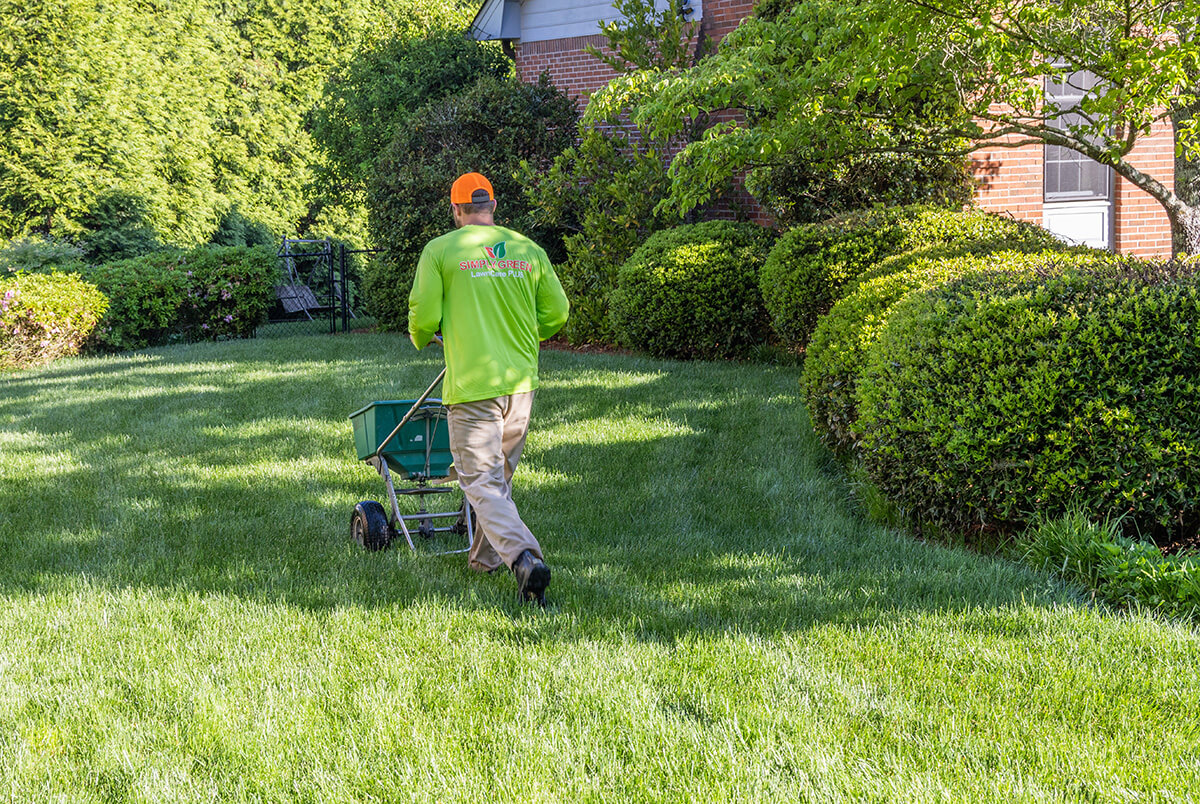
However, we know that life gets busy. If you’d rather spend your Saturdays at the park or enjoying a local game than hauling bags of mulch and wrestling with a spreader, we are here to help.
Ready to transform your yard into the envy of the neighborhood?
Contact TLC Lawn Care today for a customized plan that handles the hard work for you. Let’s give your Cibolo home the curb appeal it deserves!